

Deadlift (Barbell)
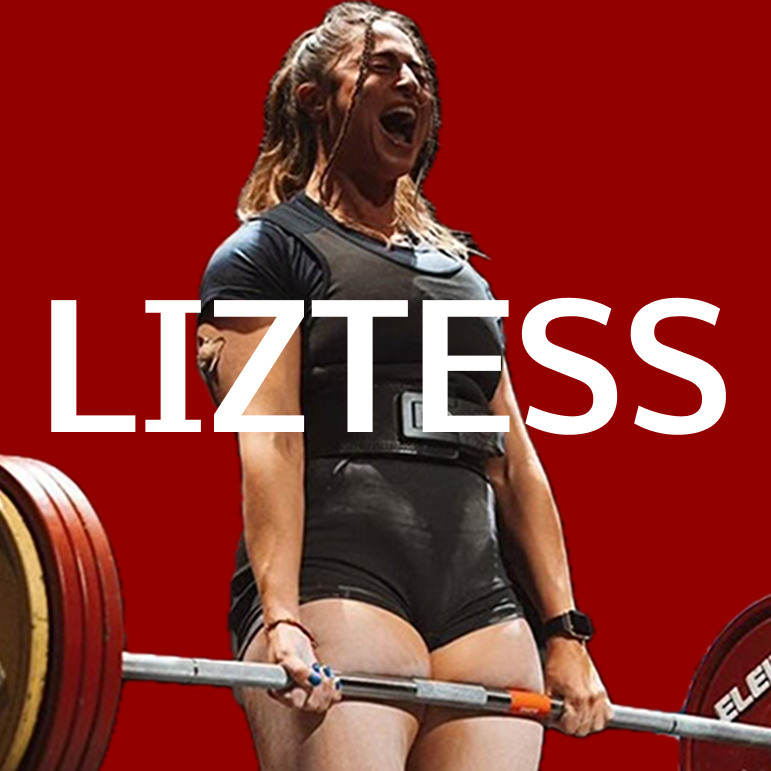
The deadlift is considered the best test of raw strength and is one of the three powerlifting competition lifts.
Deadlift (Barbell) Overview
The barbell deadlift is a foundational strength movement that trains the posterior chain, glutes, hamstrings, spinal erectors, and traps, making it one of the most efficient total-body exercises. It simulates a natural movement pattern of lifting objects from the ground, offering real-world strength benefits. Deadlifts improve posture, grip strength, and athletic power, and are often used in powerlifting and functional fitness. Proper technique is critical: engaging the lats, bracing the core, and maintaining a neutral spine help optimize performance and minimize injury risk. Progressions and variations such as Romanian deadlifts or trap bar deadlifts offer ways to train specific muscle groups or accommodate different body types.
Deadlift (Barbell) Muscles Worked
How to Do the Deadlift (Barbell)
- 01
Stand with feet hip-width apart, bar over midfoot.
- 02
Hinge at the hips, grip the bar just outside the knees.
- 03
Brace your core, flatten your back, and pull the bar up by driving through your legs.
- 04
Lock out at the top by squeezing glutes; return the bar to the floor with control.
Form & Technique Tips
Use a platform or blocks if mobility limits pulling from the floor; maintain even grip and bar height for symmetry.
⚠ Injury Risks
Lower back strain, hamstring pulls, grip issues, spinal rounding due to poor bracing or setup
Ensure a neutral spine, use proper hip hinge mechanics, and avoid jerking the bar off the floor to reduce injury risk.
Why Do the Deadlift (Barbell)
Deadlift (Barbell) is an essential exercise for developing functional strength, improving performance, and promoting hypertrophy in the targeted muscle groups. It can help correct muscular imbalances, support joint health, and enhance coordination, depending on the movement pattern. Incorporating this exercise into your training routine not only improves strength but also contributes to greater athleticism, injury prevention, and physique development. This movement is especially effective when performed with proper form and integrated into a well-rounded training plan tailored to your goals.
Taking It Further
Add weight progressively, improve bracing and hinge control, and use variations like deficit or pause deadlifts.
Train With Boostcamp
These free programs include the Deadlift (Barbell). Follow a structured plan, track your progress, and get stronger in the Boostcamp app.

Find a Coach
Follow a structured program and track your Deadlift (Barbell) progress in the Boostcamp app.
Similar Exercises


Start for free today.