

Serious tools for serious training
Strength score tracking, per-muscle volume heatmaps, custom mesocycles, and personalized periodization. Built for lifters who treat training like a sport.
What advanced training actually requires
The fundamentals are the same. The structure isn't. Advanced training is built around blocks, specialization, volume management, and fatigue, not session-to-session progression.
Advanced programs from real coaches
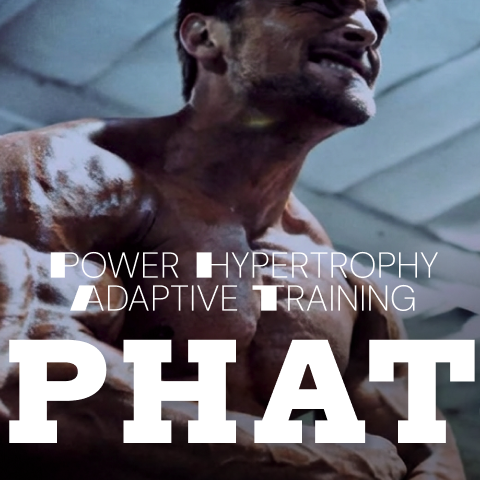
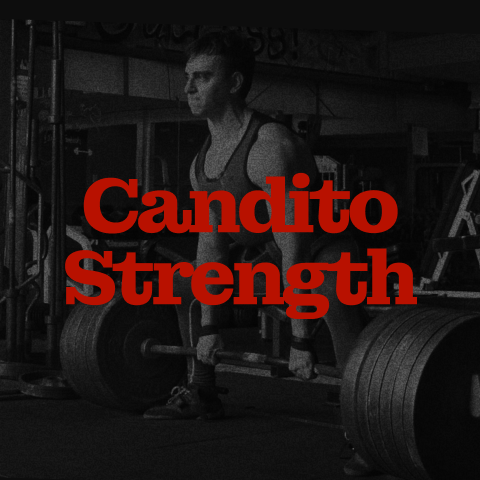
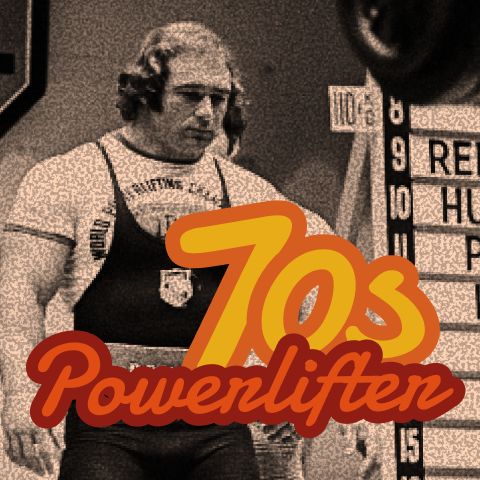
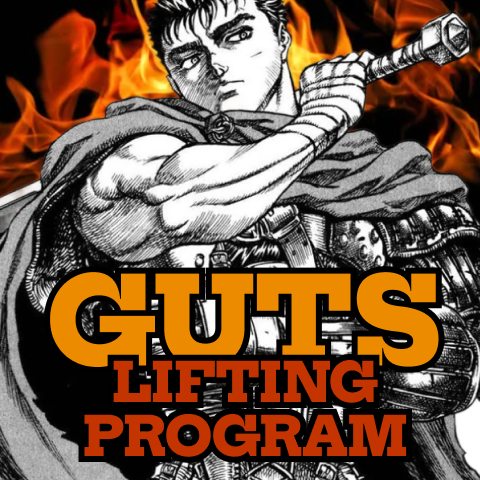
Powerlifting peaking cycles, hypertrophy blocks, and coach-designed mesocycles. All free, with the full block structure, training maxes, and weight calculations done for you.



Tools built for serious lifters
The analytics layer that makes advanced training measurable: Strength Score, the muscle volume heatmap, weekly reports, and a full custom program builder.
How to plan an advanced training block
Six steps to scope, run, and reassess a real training block. The same loop most serious lifters and coaches use.
- 1Define the block goalPick one outcome for the next 4 to 12 weeks: a strength peak, a hypertrophy block, a meet prep, a work-capacity block. Everything else flows from that single decision.
- 2Choose a program or fork oneRun an established template (Sheiko, Smolov, a coach-designed block) or fork an existing program in Boostcamp's custom program builder and customize it to your weak points.
- 3Set your starting volumeUse Boostcamp's muscle group heatmap to baseline your current weekly volume per muscle. The first week of the block should sit at or just above maintenance volume so you have room to ramp.
- 4Log RPE and bar speed cuesTrack an RPE per top set every session. Notes on bar speed and grind also live with the workout. Trends across the block are what tell you when fatigue is creeping in.
- 5Watch the heatmap and weekly reportOnce a week, open the muscle volume heatmap and the weekly report. Adjust accessory work and rest days based on what's actually happening, not how training feels in the moment.
- 6Deload and reassess your strength scoreEnd each block with a planned deload. Re-test e1RMs only after the deload, log the new PRs, and check your Strength Score for the block-over-block delta. Then plan the next block.
Track everything.



Frequently asked questions
Most coaches put the line at 2 to 3+ years of consistent, structured training, with strength numbers well past beginner and intermediate benchmarks (typically a squat at 1.75-2x bodyweight, bench at 1.25-1.5x, deadlift at 2-2.5x). The clearer signal: you can no longer make consistent progress on a single intermediate program, and you need block periodization, specialized blocks, or peaking cycles to keep moving forward.
It depends on your goal. Sheiko 29, 32, and 37 are classic powerlifting peaking and offseason cycles. Smolov and Smolov Jr are short, brutal squat or bench specialization blocks. For hypertrophy-focused advanced training, Alberto Nuñez's coach-designed programs and high-volume PPL splits work well. Boostcamp has all of these free, with the full block structure and weight calculations done for you.
Boostcamp's Strength Score is a single 0-100 number calculated from your lifetime PRs on squat, bench, deadlift, overhead press, and rows, normalized for bodyweight using the IPF DOTS formula. It's the cleanest way to track overall progress when individual lifts move at different rates: a deload-and-peak cycle, a bulk, or a meet prep all show up clearly in the score.
Open the muscle group heatmap in the analytics tab. Boostcamp tags every set with the muscles it targets and aggregates the volume across your week. The heatmap shows clearly which muscles are getting hit hard, which are being undertrained, and how that has changed across blocks. It's how advanced lifters spot specialization opportunities and recovery problems early.
Most advanced lifters take a deload every 4 to 8 weeks, depending on the block structure. Higher-volume hypertrophy blocks usually need deloads more often (every 4 to 5 weeks); strength blocks with lower volume can stretch to 6 to 8. Boostcamp's weekly volume report makes it easy to see when fatigue is creeping in even before the lifts feel heavy.
Most advanced lifters benefit from a hybrid: follow a proven template for the heavy compound work, then customize accessories and frequency to match their weak points. Boostcamp's custom program builder lets you do exactly this. You can fork an existing program, tweak the sets, swap exercises, and run your own version, with all the same tracking and analytics.
Pro adds the Strength Score, the muscle group volume heatmap, advanced exercise analytics, and personalized programs (a builder that generates a starter plan from a short questionnaire). The 11,000+ programs, weekly reports, year-end Wrapped, and building custom programs manually with no cap are always free. Pro is built specifically for the kind of analysis advanced lifters actually use to plan blocks and manage fatigue.
Most advanced programs are free, including Sheiko, Smolov, and the bulk of the coach-designed advanced blocks. Boostcamp Pro adds 20+ exclusive coach programs across all levels. The free tier also includes RPE/RIR logging, the rest timer, plate calculator, and basic PR tracking. Pro layers on the Strength Score, per-muscle volume heatmap, and detailed block-level analytics.